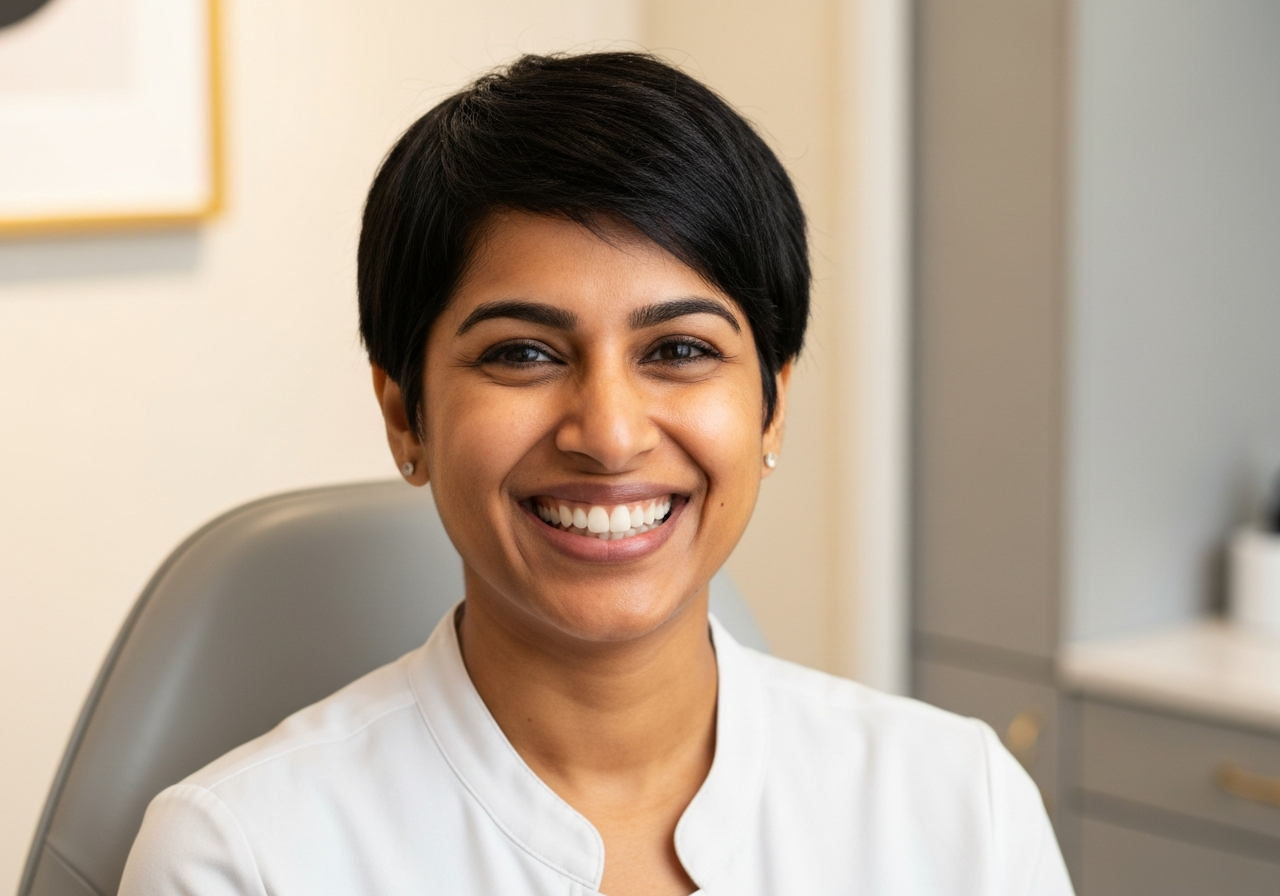
As a periodontist, I meet people every single day who know they need to take care of their gum health but are held back by one major hurdle: fear. I want to start by telling you that this is completely normal. If the thought of gum surgery makes your palms sweat or your heart race, you are not alone. However, avoiding necessary treatment can lead to tooth loss and systemic health issues. My goal is to bridge the gap between your dental needs and your comfort.
Fortunately, modern dentistry has evolved significantly. We are no longer in an era where you have to “grin and bear it.” Today, we have sophisticated methods to ensure that your experience is calm, pain-free, and surprisingly positive. In my practice, I utilize various sedation dentistry options specifically tailored for periodontal surgery. As a sedation periodontist, I prioritize your peace of mind just as much as the health of your gums.
In this guide, I will walk you through the different levels of sedation, why they are used during periodontal procedures, and how we decide which option is right for you. We will explore how these techniques can transform a potentially stressful appointment into a relaxing experience.
Understanding the Need for Sedation in Periodontics
Periodontal surgery is distinct from general dentistry. While a general dentist might fill a cavity or fix a chip, my work focuses on the structures supporting your teeth—the gums and the bone. Procedures like scaling and root planing, gum grafting, osseous surgery, and dental implant placement often require a bit more time in the chair than a standard check-up.
There are two main reasons I recommend sedation to my patients:
- Anxiety Management: This is the most obvious reason. Sedation helps quiet the part of your brain that triggers the “fight or flight” response.
- Physical Comfort: Some periodontal surgeries require you to keep your mouth open for an extended period. Sedation relaxes your jaw muscles and makes the time seem to pass much faster.
It is important to understand that sedation is not just about “knocking you out.” It is a spectrum of comfort. Depending on the complexity of your surgery and your personal anxiety levels, we can choose a method that fits perfectly.
The Spectrum of Sedation Options
When you visit my office, we will discuss your medical history and your fears openly. Based on that conversation, I will recommend one of the following options. These range from mild relaxation to deep sleep.
1. Nitrous Oxide (Laughing Gas)
You have likely heard of “laughing gas.” This is the lightest form of sedation we offer. It is a sweet-smelling gas that you breathe in through a small mask that fits over your nose. I control the mixture of nitrous oxide and oxygen to ensure you get just the right amount.
How it feels: You will remain fully awake and able to talk to me. However, a wave of relaxation will wash over you. Your limbs might feel a little heavy or tingly, and your anxiety will fade into the background. It takes the “edge” off the situation.
The Benefits:
- It works very quickly, usually within minutes.
- The effects wear off almost immediately once I switch the gas off.
- You can typically drive yourself home after the procedure because it leaves your system so fast.
For minor periodontal procedures, like a deep cleaning or a small follow-up, this is often all a patient needs to feel comfortable.
2. Oral Conscious Sedation
If you need a bit more help relaxing than what laughing gas can provide, oral conscious sedation is the next step up. This involves taking a prescribed medication, usually a pill from the Valium or Halcion family, about an hour before your appointment.
How it feels: You will feel significantly drowsy. While you remain technically awake and can respond to commands like “open wider,” you will feel disconnected from what is happening. Many of my patients drift into a light sleep but can be easily nudged awake. One of the best features of this method is the amnesic effect—most people have very little memory of the procedure afterward.
Important Note: Because this medication affects your motor skills and reaction time, you cannot drive yourself. You will need a trusted friend or family member to bring you to the office and take you home.
3. IV Sedation (Intravenous Sedation)
This is often considered the “gold standard” for a sedation periodontist performing complex surgeries. IV sedation allows me to administer medication directly into your bloodstream. This is the most effective way to control anxiety for longer procedures, such as full-mouth gum grafting or multiple dental implants.
How it feels: This is often called “twilight sleep.” You are in a state of deep relaxation. While you are not completely unconscious like you would be for major hospital surgery, you are very unaware of your surroundings. Time will seem to vanish. A two-hour surgery might feel like it only took five minutes. You will not care about the sights, sounds, or sensations of the dental office.
The Safety Aspect:
I want to emphasize that IV sedation is incredibly safe when administered by a trained professional. During the procedure, my team and I monitor your vital signs—heart rate, blood pressure, and oxygen levels—continuously. We can adjust the level of sedation instantly. If you start to get a little light, we can deepen the sedation immediately.
Data Point: According to studies on dental anesthesia, intravenous conscious sedation has a success rate of over 99% in managing patient anxiety and behavior during dental procedures, making it a highly reliable option for complex treatments.
4. General Anesthesia
While rare in a standard dental setting, general anesthesia is an option for extremely complex cases or patients with specific medical or behavioral needs. This renders you completely unconscious. This is typically overseen by an anesthesiologist in a hospital or surgery center setting alongside the periodontist.
Why a Sedation Periodontist Makes a Difference
You might be wondering, “Can’t any dentist do this?” While many general dentists offer nitrous oxide or mild oral sedation, a periodontist often undergoes specialized training to manage more advanced sedation techniques safely, particularly IV sedation.
When you choose a specialist, you are choosing someone who performs surgeries daily. We are experts in managing both the surgical aspect and the comfort aspect simultaneously. My focus is on ensuring that the gum tissues are treated delicately while you remain blissfully unaware of the work being done.
Furthermore, managing the gums requires precision. If a patient is jumping due to anxiety or is tense, it makes it harder to perform delicate microsurgery. Sedation actually helps me do a better job. When you are relaxed, your blood pressure is lower, bleeding is often reduced, and I can work more efficiently. This often leads to a smoother recovery for you.
Addressing the Fear of Pain
I want to clarify a common misconception. Sedation is not the same as local anesthesia (numbing). Sedation handles your mind and your anxiety; local anesthesia handles the pain.
Regardless of whether you choose laughing gas or IV sedation, I always use local anesthetic to numb the surgical area. The beauty of combining sedation with local anesthetic is that you likely won’t even remember the numbing shot. You simply wake up, the procedure is done, and your mouth is numb while you heal.
Data Point: Research indicates that approximately 36% of the population suffers from dental anxiety, with another 12% suffering from extreme dental fear. By utilizing sedation, we can successfully treat this large portion of the population who would otherwise neglect their health.
Who is a Candidate for Sedation?
Almost any adult in good general health is a candidate for some form of sedation. However, during our consultation, I will review your medical history thoroughly. I need to know about:
- Current medications you are taking.
- Any allergies you have.
- History of heart or lung issues.
- Previous experiences with anesthesia.
- Alcohol or tobacco use.
This information allows me to select the safest and most effective protocol for you. For example, if you have severe sleep apnea, we might adjust the type of sedation we use to ensure your airway remains open and safe throughout the procedure.
Preparing for Your Appointment
If we decide that IV or oral sedation is right for you, preparation is key. I provide all my patients with detailed instructions, but here are the general rules of thumb to help you plan:
- NPO (Nothing by Mouth): For IV sedation, you usually must not eat or drink anything for 6 to 8 hours before your appointment. This is a critical safety measure to prevent nausea and protect your airway.
- Clothing: Wear loose, comfortable clothing. We want you to be as cozy as possible. Short sleeves are helpful for IV access and blood pressure cuffs.
- Escort: As mentioned, you absolutely need a responsible adult to drive you home and stay with you for a few hours. You will be groggy.
- Schedule Time Off: Clear your schedule for the rest of the day. Do not plan to return to work, sign legal documents, or operate machinery. Your only job is to go home, nap, and heal.
For more detailed information on patient safety and sedation guidelines, you can review resources provided by the American Dental Association regarding anesthesia and sedation.
Recovery: What to Expect
One of the pleasant side effects of sedation is that you often rest better immediately following surgery. Sleep is the body’s best healing mechanism. Because you were relaxed during the surgery, your body hasn’t been flooded with stress hormones like cortisol, which can sometimes impede healing.
When you get home, the sedation will gradually wear off. You might feel a bit sleepy for the rest of the day. If you had IV sedation, it is important to drink plenty of fluids (as instructed) to stay hydrated. I will also provide you with pain management strategies for when the local numbness wears off, ensuring a seamless transition from the dental chair to your recovery at home.
Overcoming the Mental Block
I have seen countless patients who haven’t seen a dentist in ten or fifteen years because of a traumatic experience in their childhood. They come to me with advanced periodontal disease, embarrassed and afraid. I want you to know that my office is a judgment-free zone.
The cycle of dental fear is powerful: fear leads to avoided appointments, which leads to worse dental problems, which leads to more invasive treatments, which leads to more fear. Sedation dentistry is the tool that breaks this cycle. Once a patient experiences a pain-free, anxiety-free sedation appointment, their outlook changes completely. They realize that maintaining their oral health doesn’t have to be a battle.
Taking the Next Step Toward Health
Your gum health is linked to your heart health, diabetes management, and overall inflammation in the body. Do not let fear stand in the way of a healthy life. As a dedicated sedation periodontist, I have the tools, training, and compassion to help you through this.
We can restore your gums, place implants, and secure your smile while you rest comfortably. If you have been putting off periodontal surgery, I invite you to come in for a consultation. Let’s talk about your fears first, and your teeth second. Together, we can create a plan that keeps you safe, comfortable, and smiling.