We all know the feeling of looking in the mirror and wishing our smile was just a little bit brighter. In a world of selfies and social media, a sparkling set of teeth has become one of the most desired accessories. I have spent years looking at the dental industry, and one question comes up more than any other: “Should I buy a box from the drugstore, or should I see a dentist?” It is the classic battle of professional teeth whitening versus DIY kits.
Making the right choice isn’t just about saving money; it is about your health, your time, and the actual results you see in the mirror. With so many products flooding the market, from charcoal powders to LED light kits, it can feel overwhelming. I am here to break it all down for you. We are going to look at the science, the safety, and the real value of both options so you can decide which path leads to your best smile.
The Appeal of the DIY Route
I completely understand why over-the-counter (OTC) kits are so popular. You are walking down the aisle at the grocery store, and you see a box promising a Hollywood smile for thirty or forty dollars. It is tempting. The convenience factor is huge. You can whiten your teeth while you watch Netflix, cook dinner, or answer emails.
DIY kits usually come in a few forms:
- Whitening Strips: These are thin, flexible plastic strips coated with a layer of hydrogen peroxide bleaching gel.
- Paint-on Gels: You apply a gel directly to the surface of your teeth with a small brush.
- Trays with LED Lights: You fill a generic mouthguard with gel and bite down, often using a small blue light that claims to activate the solution.
- Whitening Toothpastes: These mostly use abrasives to scrub off surface stains rather than bleaching the tooth from within.
While these options are accessible, they rely on a “one size fits all” approach. The trays aren’t molded to your specific bite, and the strips might not cover every nook and cranny of your smile. However, for someone with very minor staining who is on a strict budget, these can be a good entry point into the world of teeth whitening.
Understanding Professional Teeth Whitening
Now, let’s talk about the heavy hitter: professional teeth whitening. When I talk about this method, I am referring to treatments administered or supervised by a licensed dental professional. This is a medical procedure, not just a cosmetic product.
The main difference lies in the chemistry. Professional treatments use high-concentration bleaching agents—usually hydrogen peroxide or carbamide peroxide—that are much stronger than anything you can buy at the store. Because the concentration is higher, the dentist takes special precautions to protect your gums and soft tissues. This ensures that the bleach attacks the stains on your enamel, not your gums.
There are generally two ways to go about this professionally:
In-Office Power Whitening
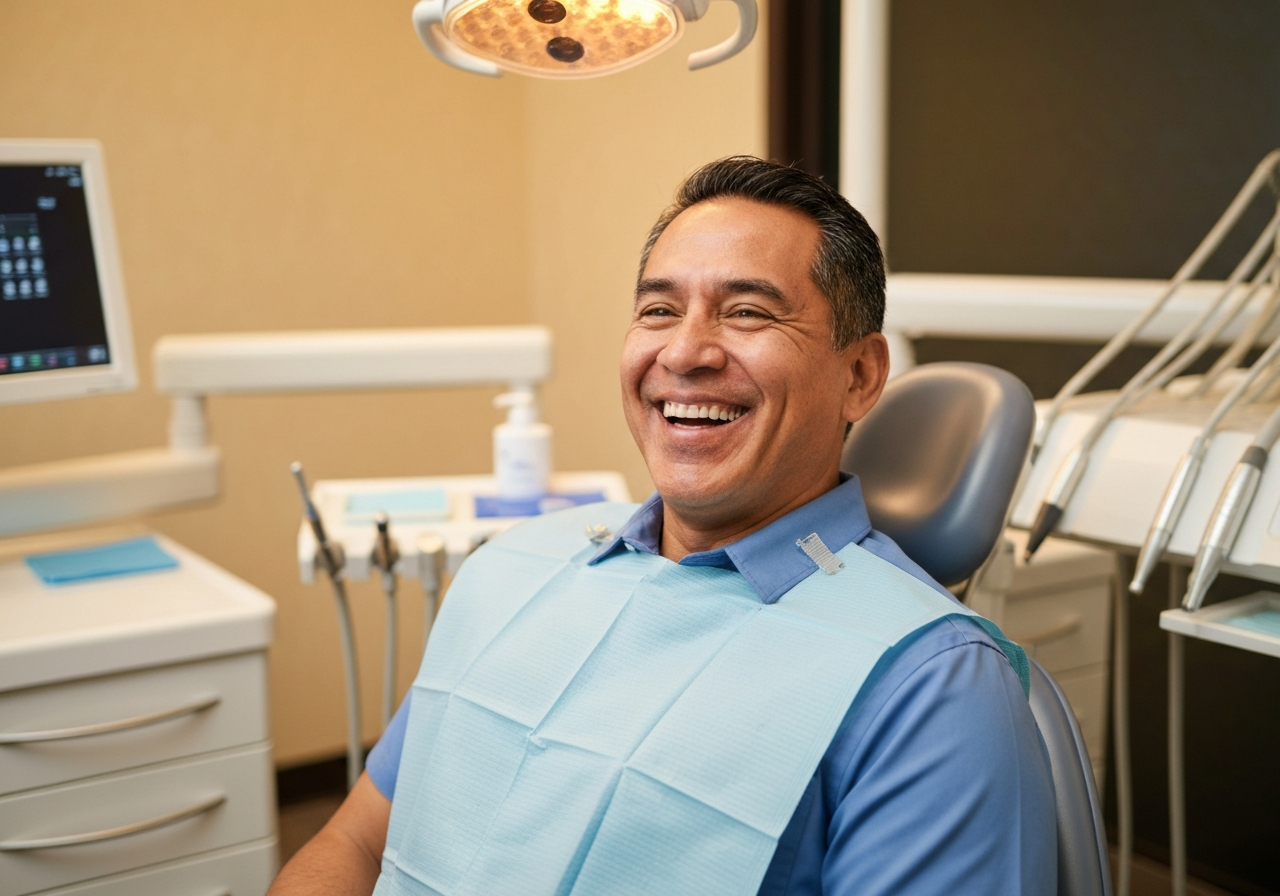
This is the fastest method. You sit in the dental chair, the dentist protects your gums with a barrier gel, applies the whitening solution, and often uses a specialized light or laser to accelerate the process. In just about an hour, you walk out with a significantly brighter smile.
Custom Take-Home Trays
Some dentists offer custom-made trays. They take an impression of your teeth and create a tray that fits you perfectly—like a glove. You are then given professional-grade gel to use at home. This offers the precision of professional care with the convenience of home use.
Comparing the Effectiveness: Speed and Shades
When we look at effectiveness, the gap between DIY and professional methods widens. I often tell people to think of it like cleaning a carpet. A DIY kit is like using a store-bought spray bottle on a stain, while professional teeth whitening is like hiring a steam cleaning crew.
Because OTC kits have lower concentrations of active ingredients (to keep them safe for unsupervised use), they take much longer to work. You might need to use strips every day for two or three weeks to see a noticeable difference. Even then, the results are often limited to removing surface stains caused by coffee or tea.
On the other hand, professional treatments penetrate deep into the enamel to target intrinsic stains—the discoloration that lives inside the tooth structure.
Here is a significant data point to consider: According to clinical studies and dental surveys, professional in-office whitening can make teeth anywhere from 3 to 8 shades lighter in a single 60-minute session. In contrast, many DIY kits require 14 to 20 days of consecutive use to achieve a change of just 1 to 2 shades. That is a massive difference in efficiency.
Safety and Sensitivity: A Major Concern
Safety is the most critical factor I consider when discussing whitening. We only get one set of adult teeth, so we have to treat them with respect. Sensitivity is the most common side effect of whitening, regardless of the method. This happens when the peroxide penetrates the enamel and irritates the nerve of the tooth.
With DIY kits, the risk of error is higher. Since the strips or generic trays don’t fit perfectly, the bleaching gel can easily leak onto your gums. This can cause chemical burns, white spots on the gums, and significant pain. I have heard stories from people who had to stop their home treatment halfway through because the gum irritation was too intense.
Professional teeth whitening is designed to mitigate these risks. Before the procedure even begins, a dentist will examine your mouth to ensure you don’t have cavities or gum disease. If you put bleach on a tooth with a cavity, the pain can be excruciating. A dentist ensures you are healthy enough for the procedure first.
During the professional process, desensitizing agents are often used. If you do experience sensitivity, you are in a medical environment where the professional can adjust the concentration or treat the sensitivity immediately. The custom fit of professional trays also keeps the gel exactly where it needs to be: on your teeth, not your gums.
The True Cost: Price vs. Value
Let’s address the financial aspect, because this is usually the deciding factor for most people. There is no denying that the upfront cost of a DIY kit is lower. You can spend anywhere from $20 to $60 for a box of strips. Professional whitening can range from $300 to over $800 depending on your location and the specific treatment.
However, I believe we need to look at value, not just price. If you buy a $40 kit but it doesn’t work, and then you buy a specialized “whitening” toothpaste for another $15, and then a charcoal powder for $20, you have spent nearly $100 for minimal results. If you have to repeat this process every few months because the results fade quickly, the costs add up over time.
Professional treatments tend to last longer. With proper maintenance and hygiene, the results of a professional session can last a year or more. When you break down the cost per day of having a bright smile, the professional investment often yields a better return because the results are durable and immediate. You aren’t paying for “trial and error”; you are paying for a guaranteed outcome.
Longevity of Results
How long will your smile stay bright? This depends heavily on your lifestyle. If you smoke or drink liters of black coffee and red wine, your teeth will stain again regardless of the method you use. However, the starting point matters.
Because professional teeth whitening removes deep-set stains, the “fade back” takes longer. When you use a DIY kit that mostly scrapes off the surface layer, the underlying yellow dentin still shows through, and new surface stains accumulate rapidly.
Furthermore, when you get professional trays, you can keep them forever. When you eventually need a touch-up (perhaps once a year), you only need to buy a syringe of refill gel from your dentist. This makes future maintenance much more affordable than buying whole new kits from the store every time.
The Science of Ingredients
It is important to understand what is actually going on chemically. Most whitening products rely on peroxide. When peroxide breaks down, it allows oxygen to enter the enamel and bleach the colored substances.
Here is a second data point for context: Over-the-counter whitening strips generally contain a hydrogen peroxide concentration of roughly 10% or less (sometimes as low as 6%). Professional in-office whitening gels utilize concentrations ranging from 25% to 40%. This chemical potency is why professional supervision is legally and medically required for the higher-strength options.
Some DIY trends, like charcoal or baking soda, rely on abrasion rather than chemical bleaching. I always advise caution here. While they might scrub off a surface stain, they can also scrub off your enamel. Once enamel is gone, it never grows back. Thinning enamel actually makes teeth look yellower because the dark dentin underneath shows through more clearly. This is why I prefer chemical whitening over abrasive scrubbing.
Who is the Best Candidate for Each?
I believe transparency is key. Professional whitening isn’t for everyone, and neither are DIY kits.
The Ideal DIY Candidate:
- Has healthy teeth and gums with no history of sensitivity.
- Only has very minor surface staining.
- Is on a very strict budget and cannot afford professional care.
- Is patient and willing to wait weeks for results.
- Is disciplined enough to follow instructions perfectly to avoid gum burns.
The Ideal Professional Candidate:
- Wants significant, immediate results (e.g., for a wedding or job interview).
- Has deep, stubborn stains or yellowing due to aging.
- Suffers from tooth sensitivity and needs a controlled environment.
- Has existing dental work (crowns and veneers do not whiten, and a dentist needs to manage the color match).
- Values safety and wants a customized treatment plan.
It is worth noting that if you have crowns, veneers, or fillings on your front teeth, whitening will not change their color. This can lead to a mismatched smile if you use a DIY kit. A dentist can spot this issue beforehand and plan accordingly, perhaps by replacing old fillings to match your new, brighter shade.
Navigating the Decision
When I weigh the pros and cons, the scale often tips toward professional care for anyone seeking a genuine transformation. The combination of speed, safety, and effectiveness creates a package that DIY kits simply cannot match. While the convenience of a drugstore kit is nice, the peace of mind that comes with a dentist-supervised procedure is invaluable.
We must also consider the psychological boost. There is a confidence that comes from walking out of a clinic knowing your smile is at its absolute best. It is an investment in your self-image. When you feel good about your smile, you smile more often. And when you smile more often, you project positivity to everyone around you.
If you are interested in learning more about how to keep your mouth healthy while pursuing cosmetic improvements, I highly recommend reading up on oral health basics. The American Dental Association’s MouthHealthy site is a fantastic resource for verifying which products are safe and effective.
Final Thoughts on Your Brightest Smile
Choosing between professional teeth whitening and DIY kits is a personal decision, but it is one that should be made with all the facts. While DIY kits offer a quick fix for minor issues, they lack the power and safety protocols of professional treatment.
I encourage you to look at your smile as a long-term asset. If you are looking for a dramatic change that is safe for your enamel and gums, the professional route is the clear winner. The technology available in a dental office is lightyears ahead of what is available on a drugstore shelf.
Before you spend money on another box of strips that might not work, consider booking a consultation with your dentist. They can assess your specific shade, discuss your goals, and help you achieve that radiant, confident smile we all desire. After all, your smile is the first thing people notice about you—it deserves the professional touch.