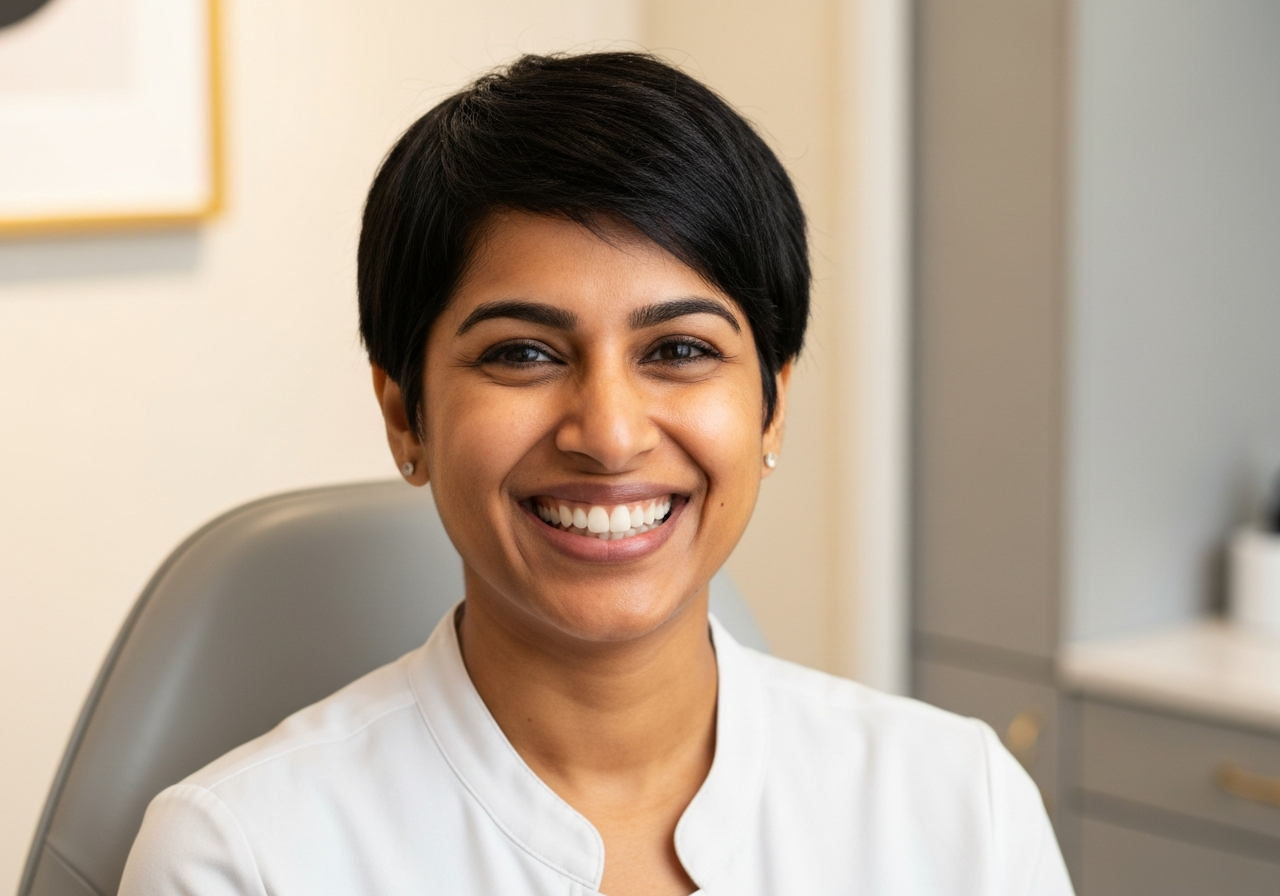
As a dentist practicing right here in the heart of Beverly Hills, I see beautiful smiles every single day. We live in a city that values health, vitality, and aesthetics. However, even the most dedicated patients can face a common, often overlooked issue: gum recession. For years, the mere mention of fixing receding gums sent a shiver down patients’ spines. They had heard the horror stories of traditional surgery involving scalpels, sutures, and taking large strips of tissue from the roof of the mouth. But I am here to tell you that dentistry has evolved.
Today, we have entered a new era of periodontal care. If you have been watching your gum line retreat and feeling the zing of tooth sensitivity, you don’t have to fear the solution anymore. A minimally invasive gum graft is not just a buzzword; it is a revolutionary approach that prioritizes your comfort and cosmetic results without the downtime associated with old-school methods. I want to walk you through what these options look like, why they are a game-changer for my patients, and how we can restore your smile naturally.
Why Gum Recession Happens and Why You Should Care
Before we dive into the solutions, it is important to understand what we are treating. Gum recession is the process where the margin of the gum tissue that surrounds the teeth wears away or pulls back, exposing more of the tooth or the tooth’s root. When this happens, gaps form between the tooth and gum line, making it easy for disease-causing bacteria to build up.
My patients often ask me, “Dr. Rifkin, is this just cosmetic?” While the “long in the tooth” look is certainly an aesthetic concern, especially here in Beverly Hills, the health implications are serious. When roots are exposed, they are highly susceptible to decay. Unlike the crown of your tooth, which is covered in hard enamel, the root is covered in cementum, which is much softer. Recession can lead to severe sensitivity to hot and cold, root decay, and eventually, tooth loss if the supporting bone structure is compromised.
It is also surprisingly common. Data Point: According to the CDC, nearly 47.2% of adults aged 30 years and older have some form of periodontal disease, which is a leading cause of recession. This means almost half the adult population is facing these risks, often without realizing it until the recession becomes visually obvious.
The Old Way vs. The Minimally Invasive Way
To appreciate the modern options available at my practice, we have to look at what we are leaving behind. Traditional gum grafting, known as a connective tissue graft, usually involved cutting a flap of skin from the roof of your mouth (the palate) and stitching it over the exposed root. While this method is effective, the recovery can be difficult. The palate is a sensitive area, and patients often reported significant discomfort akin to a severe pizza burn that lasted for over a week.
When I talk about a minimally invasive gum graft, I am referring to techniques that eliminate or drastically reduce large incisions and the need to harvest tissue from your palate. The goal is to achieve the same structural support and cosmetic improvement with a fraction of the trauma to your mouth.
Option 1: The Pinhole Surgical Technique (PST)
One of the most exciting advancements in soft tissue management is the Pinhole Surgical Technique. As the name suggests, this procedure is scalpel-free and suture-free. It is a true breakthrough for patients who have anxiety about cutting and stitching.
Here is how I approach this method. Instead of cutting the gum, I make a very small hole—about the size of a pinhole—in the existing gum tissue above the exposed root. Using specially designed instruments, I gently loosen the gum tissue and slide it down to cover the exposed root structure. It’s a bit like adjusting a blanket to cover your feet on a cold night.
Once the tissue is in the proper position, I place collagen strips through the pinhole. These strips help stabilize the gum flap and encourage your body to generate new natural tissue to secure the new gum position. The results are instant. You walk out of the office with your gum line restored.
Benefits of Pinhole Surgery
- Immediate Cosmetic Improvement: You can see the difference the moment you look in the mirror.
- Fast Recovery: Since there are no large incisions or stitches, most of my patients are back to their normal dinner routine within 24 hours.
- Multiple Teeth Treated at Once: Traditional grafting usually limits us to one or two teeth at a time due to pain. With PST, I can often treat the entire mouth in a single sitting.
Option 2: Tunneling Technique with Alloderm (Donor Tissue)
Another fantastic option for a minimally invasive gum graft is the tunneling technique. This is my go-to for patients who may not have enough of their own gum thickness to support the Pinhole method, or who need to thicken the biotype of their gums to prevent future recession.
In this procedure, instead of peeling back the gum tissue, I create a tiny “tunnel” under the existing gum. The magic here is that we do not need to cut the roof of your mouth to get tissue. Instead, we use a product called Alloderm. Alloderm is a regenerative tissue matrix derived from donated soft tissue. It has been processed to remove all cells and potential for rejection, leaving behind a collagen framework.
I slide this Alloderm graft into the tunnel I created over the exposed roots. Your body then uses this collagen framework as a scaffold. Over the next few months, your own blood vessels and cells grow into the Alloderm, transforming it into your own healthy, thick gum tissue.
Why Choose Tunneling with Donor Tissue?
- No Palatal Pain: We completely bypass the roof of the mouth, which is the number one source of pain in traditional surgeries.
- Superior Aesthetics: This method is incredible for blending color and texture. Once healed, it is virtually impossible to tell where the work was done.
- Long-Term Stability: By thickening the tissue, we are essentially armoring your teeth against future recession.
Option 3: Laser-Assisted Gum Regeneration
Technology plays a massive role in my Beverly Hills practice. Lasers have changed the way we manage soft tissue. While lasers are often used to treat gum disease (periodontitis) by killing bacteria, they also promote biostimulation. This means the laser energy encourages your cells to regenerate faster.
While lasers are typically used in conjunction with the techniques mentioned above rather than as a standalone grafting method, their inclusion makes the entire process minimally invasive. By using laser energy to sterilize the area and stimulate healing, we reduce swelling and pain significantly. It allows me to work with greater precision, ensuring that the delicate tissues are handled with the utmost care.
The Aesthetic Standard in Beverly Hills
Practicing in Beverly Hills means holding oneself to the highest aesthetic standard. My patients are not just looking for health; they are looking for perfection. A successful graft shouldn’t look like a patch job. It should look like you were born with a flawless gum line.
This is why the minimally invasive gum graft is so critical. Traditional grafts could sometimes result in tissue that didn’t perfectly match the color of the surrounding gums, appearing bulky or white. The modern techniques I use—specifically tunneling with Alloderm or the Pinhole technique—integrate seamlessly. We focus on “pink aesthetics,” ensuring the curvature of the gum frames the tooth beautifully. A smile is a balance of white (teeth) and pink (gums); if the pink frame is uneven, the picture doesn’t look right.
What to Expect During Recovery
This is the part my patients love the most. If you talk to anyone who had a gum graft twenty years ago, they will tell you to stock up on ice cream and take a week off work. With minimally invasive options, the narrative has changed.
For most of these procedures, you will require only local anesthesia. You are awake, but numbed, and you won’t feel a thing. Because we are avoiding large incisions, there is very little bleeding. Post-operative swelling is minimal compared to traditional surgery.
Data Point: Clinical studies have shown that success rates for root coverage using these regenerative tissue matrices are exceptionally high. Research indicates that mean root coverage can reach upwards of 85% to 90% in qualified cases, proving that we don’t need to sacrifice results for comfort.
Most of my patients manage any post-procedure discomfort with over-the-counter medication like Ibuprofen or Tylenol. I usually advise sticking to a soft diet for a few days—think smoothies, pasta, and eggs—just to avoid mechanically irritating the area while it settles. However, you are not bedridden. You can typically return to work or social engagements within a day or two, which fits perfectly into the busy lifestyles of my Beverly Hills clientele.
Navigating the Cost and Insurance
I believe in transparency. Because these procedures are highly specialized and require advanced technology and training, they can be an investment. However, many dental insurance plans do cover a portion of gum grafting if it is deemed medically necessary—which it often is, to prevent tooth loss and treat sensitivity.
During our consultation, my team helps you navigate these benefits. But beyond insurance, I encourage you to view this as an investment in the longevity of your smile. The cost of ignoring recession—eventually leading to root canals, crowns, or implants—far outweighs the cost of a protective graft today.
Is a Minimally Invasive Gum Graft Right for You?
Not every patient is a candidate for every technique. The Pinhole technique, for example, requires that you have healthy, sufficient gum tissue on either side of the recession to bring down. If you have severe bone loss or active gum disease, we first need to address those foundations before we can rebuild the aesthetics.
This is why a consultation is vital. When you come into my office, I look at the whole picture. We check the health of your bone, the type of recession you have, and discuss your aesthetic goals. Whether it is the Pinhole method or the Tunneling technique, my goal is always the same: maximum results with minimum invasion.
For more detailed information on the different types of gum procedures and how they contribute to overall periodontal health, I often refer my patients to the American Academy of Periodontology, a leading authority in our field.
Taking the Next Step for Your Smile
Your smile is your most important accessory. It is the first thing people notice and the last thing they remember. If you have been hiding your smile because of exposed roots, or if you are tired of wincing every time you take a sip of iced coffee, it is time to look at your options.
The fear of pain should never stand in the way of your health. With a minimally invasive gum graft, we can restore the youthful contours of your gums and protect your teeth for decades to come. Dentistry has moved forward, and I am proud to offer these advanced, gentle solutions to the Beverly Hills community. Let’s get your smile back to looking—and feeling—its absolute best.