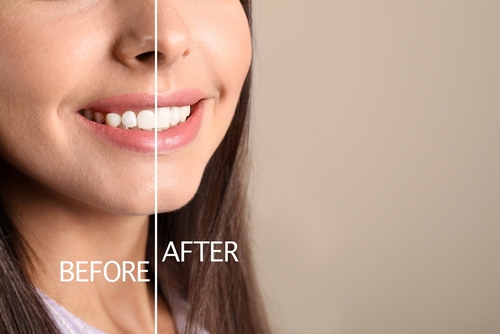
At Dental Care of Beverly Hills, I see beautiful smiles every single day. Living and working here means being surrounded by people who value aesthetics and health in equal measure. In our quest for that perfect, Hollywood-bright smile, trends come and go. One trend that has stuck around for quite a while is the use of charcoal toothpaste. You have likely seen it on social media feeds, usually accompanied by a picture of someone brushing their teeth with a messy, jet-black paste, followed by a reveal of pearly whites.
It looks dramatic, and the marketing claims are certainly compelling. But as a dental professional, my priority is always the long-term health of your teeth. The most common question I get asked regarding this trend is simple but crucial: Is charcoal toothpaste safe for enamel? Today, I want to dive deep into charcoal toothpaste safety, separating the myths from the medical reality, so you can make the best choice for your smile.
The Rise of the Black Toothpaste Trend
Before we analyze the safety aspect, we have to look at why this product became so popular. In the world of wellness, “natural” is a buzzword that attracts a lot of attention. People are looking for alternatives to traditional chemical ingredients, and charcoal fits that narrative perfectly. It is marketed as an ancient remedy, a natural detoxifier, and a powerful whitener.
The idea is that because charcoal is porous, it can bind to impurities. In a medical setting, activated charcoal is indeed used to treat certain types of poisoning because it traps toxins in the stomach before the body absorbs them. Marketing teams took this concept and applied it to oral hygiene, suggesting that charcoal pulls stains and bacteria right off your teeth.
However, teeth are not the same as your stomach, and the biology of your mouth is delicate. While the concept sounds logical, the mechanical action of brushing with charcoal is where things get complicated. We need to look at exactly what happens to your enamel when you scrub it with this material.
What Exactly Is Activated Charcoal?
To understand charcoal toothpaste safety, you need to understand the ingredient itself. Activated charcoal is not the same stuff you use to grill burgers in the backyard. It is usually made from bone char, coconut shells, peat, petroleum coke, coal, olive pits, or sawdust.
The “activation” part happens when this charcoal is heated to incredibly high temperatures in the presence of gas. This process causes the charcoal to develop internal spaces or “pores.” These pores are what make activated charcoal so good at trapping chemicals. In theory, when you brush with it, it absorbs plaque and surface stains.
But here is the catch: charcoal is a mineral substance. Even when ground into a fine powder, it retains a physical hardness. When we introduce a hard substance to our daily brushing routine, we have to worry about abrasion.
The Core Concern: Enamel Erosion
Your enamel is the hardest substance in the human body. It is the shiny, white outer layer of your tooth that protects the sensitive inner layers (dentin and pulp). Despite its strength, enamel has one major weakness: it does not regenerate. Once enamel is worn away, it is gone forever. Your body cannot grow more of it.
This is where my concern lies regarding charcoal toothpaste safety. Many charcoal products are highly abrasive. In dentistry, we measure the abrasiveness of toothpaste using the Relative Dentin Abrasivity (RDA) scale. To be considered safe for daily use, a toothpaste generally needs to be low on this scale.
When you brush with a gritty, abrasive charcoal paste, you are essentially using fine sandpaper on your teeth. If you scrub too hard, or if you use it every single day, you risk wearing down the enamel. Ironically, as you wear down the white enamel, you reveal the yellowish dentin underneath. This means that overusing charcoal toothpaste can actually make your teeth look yellower over time, which is the exact opposite of what you want.
Data Point: The Abrasive Truth
Research has highlighted the potential risks involved with these products. A study published in the Journal of Physics: Conference Series analyzed the surface roughness of enamel after using charcoal toothpaste. The data indicated that brushing with charcoal toothpaste significantly increased the surface roughness of the enamel compared to regular toothpaste. Rough enamel is problematic because it actually attracts more bacteria and stains in the long run, creating a cycle where you feel you need to whiten more often.
The Fluoride Trade-Off
Another major factor in the charcoal toothpaste safety discussion is fluoride. In my experience at Dental Care of Beverly Hills, I have noticed that many patients who switch to charcoal toothpaste are also looking to avoid fluoride. Consequently, the vast majority of charcoal toothpastes on the market are fluoride-free.
Fluoride is often called “nature’s cavity fighter.” It helps remineralize weak spots in your enamel before they turn into cavities. When you stop using fluoride and switch to a highly abrasive charcoal paste, you are hitting your teeth with a double negative. You are physically wearing down the enamel with grit, and you are depriving the enamel of the minerals it needs to stay strong.
If you are prone to cavities or have weak enamel to begin with, this combination can be disastrous for your oral health. While I respect patient preferences regarding ingredients, from a clinical standpoint, eliminating fluoride while increasing abrasion is a risky move.
Does It Actually Whiten?
I want to be fair to the product. Does charcoal toothpaste whiten teeth? The answer is “sort of,” but not in the way you might think. We have to distinguish between two types of stains:
- Extrinsic Stains: These are on the surface of the tooth, caused by coffee, wine, tea, and tobacco.
- Intrinsic Stains: These are deep inside the tooth, often caused by aging, trauma, or medication.
Charcoal toothpaste works by mechanically scrubbing off extrinsic stains. Because it is abrasive, it can be very effective at removing that surface layer of coffee stain. This can make your teeth appear brighter.
However, charcoal cannot change the natural color of your teeth. It cannot touch intrinsic stains. If you have naturally yellowish teeth or deep discoloration, charcoal will not change that. It does not contain the bleaching agents (like hydrogen peroxide or carbamide peroxide) that professional whitening treatments use to chemically alter the color of the tooth structure.
What Do The Experts Say?
We are not alone in our caution. Major dental organizations have been slow to endorse charcoal products because the science just isn’t there to support them as a safe daily alternative.
Data Point: The ADA Seal of Acceptance
The American Dental Association (ADA) is the leading authority on oral health products in the United States. To earn the ADA Seal of Acceptance, a product must undergo rigorous testing for safety and efficacy. According to recent reports from the ADA, there are currently no charcoal toothpastes that have earned the ADA Seal of Acceptance. This is a significant data point because it means independent reviewers have not found sufficient evidence that these products are safe and effective for your teeth.
For a deeper dive into how different whitening agents affect your oral health, I recommend reading this article from the American Dental Association on Whitening. It provides excellent context on safe practices.
Risks of Tooth Sensitivity
One specific side effect I often hear about from patients who have jumped on the charcoal bandwagon is sensitivity. If you already have sensitive teeth, you should be extremely cautious with abrasive products.
As the charcoal wears down the enamel or irritates the gum line, it exposes the microscopic tubules in the dentin that lead to the nerve of the tooth. This can cause sharp pains when you drink ice water or hot coffee. If you notice increased sensitivity after starting a charcoal regimen, I highly recommend stopping immediately and switching to a sensitivity-relief toothpaste.
Impact on Dental Restorations
Many of our patients here in Beverly Hills have existing dental work, such as veneers, crowns, or bonding. Charcoal toothpaste safety is a major concern here as well. Charcoal particles can accumulate around the margins of veneers or crowns, creating a dark outline that is very difficult to clean.
Furthermore, abrasive scrubbing can scratch the surface of porcelain or composite bonding. Once these materials are scratched, they lose their luster and can stain more easily. If you have invested in your smile with cosmetic dentistry, using charcoal toothpaste is a risk that could compromise the longevity and appearance of your investment.
Safe Ways to Use Charcoal (If You Must)
I understand that the allure of a natural whitener is strong. If you are determined to try charcoal toothpaste, I want to ensure you do it in the safest way possible. Here are my recommendations for minimizing damage:
- Do not use it daily: Treat charcoal toothpaste like a face mask—an occasional treatment, not a daily routine. Using it once every two weeks is much safer than twice a day.
- Use a soft-bristled brush: Never use a hard or medium toothbrush with abrasive paste. Use an extra-soft brush and very gentle pressure.
- Look for fluoride: Some newer brands are formulating charcoal pastes with fluoride. If you can find one, this helps mitigate some of the risks.
- Smear, don’t scrub: Instead of scrubbing vigorously, you can smear the paste on your teeth, let it sit for a minute, and then rinse it off. This allows for some adsorption without the abrasive mechanical action.
- Listen to your teeth: If your gums start to bleed, or your teeth feel sensitive, stop using it immediately.
Better Alternatives for a Bright Smile
If your goal is a whiter smile, there are safer and more effective ways to achieve it than scrubbing your enamel away with charcoal. At Dental Care of Beverly Hills, we focus on treatments that protect the structural integrity of the tooth while enhancing its beauty.
Whitening Toothpastes with Peroxide
Instead of relying on grit, look for toothpastes that use low levels of hydrogen peroxide. These chemically clean the stains without scratching the enamel. Look for the ADA Seal of Acceptance to ensure the product is safe.
Professional In-Office Whitening
This is the gold standard. We use high-concentration gels that are chemically activated to penetrate the enamel and break up deep, intrinsic stains. Because this is done under supervision, we protect your gums and ensure the process is comfortable.
Take-Home Trays
We can provide custom-fitted trays and professional-grade gel. This allows you to whiten at home at your own pace, but with products that are verified to be safe and effective.
Protecting Your Smile Investment
I love that my patients are interested in their oral health and want to have confident, radiant smiles. However, it is my job to ensure that the methods you use to get that smile do not cause harm in the future. The conversation around charcoal toothpaste safety is really a conversation about preservation.
While charcoal toothpaste isn’t necessarily “dangerous” in small, infrequent doses, the risks of enamel erosion and sensitivity make it a poor choice for a daily toothpaste. The potential damage to your enamel simply outweighs the mild surface stain removal it offers.
Your smile is one of your most valuable assets. It is the first thing people notice about you. Treating it with kindness and using scientifically backed products is the best way to keep it shining for years to come. If you are looking for safe whitening options or are concerned about enamel wear, I am always here to guide you toward the best solutions for your unique smile.