We all have that one tiny thing about our smile that bothers us. Maybe it is a small chip on a front tooth from a childhood sports accident, or perhaps a stubborn gap that braces just didn’t quite close. You might even have a single tooth that is slightly discolored compared to the rest. You catch yourself looking at it in the mirror or hiding your smile in photos. If this sounds like you, I have some incredible news. You don’t always need expensive veneers or years of orthodontics to get the smile you want. Sometimes, the solution is much simpler, faster, and more affordable. It is called dental bonding.
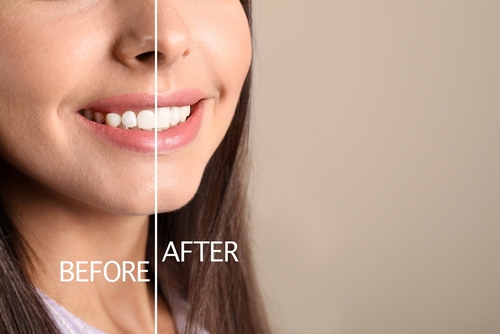
At Dental Care of Beverly Hills, we love seeing the immediate transformation that happens when a patient looks in the mirror after this procedure. We often call it the “mini-makeover” because it makes a massive impact without the major commitment of more invasive treatments. Today, I want to walk you through everything you need to know about composite bonding, how it works, and why it might be the perfect solution for your smile.
What Exactly is Dental Bonding?
Let’s start with the basics. Dental bonding, often referred to as composite bonding, is a cosmetic dental procedure where we apply a tooth-colored composite resin material to your teeth. Think of it like a sculptor working with clay. We use this resin to repair damage, close gaps, or change the shape and color of a tooth.
The term “bonding” comes from the process itself. We treat the surface of the tooth so that the material bonds—or sticks—permanently to the enamel. Once it is shaped and hardened, it looks and functions just like your natural tooth structure. The best part? It blends in so well that no one will know you had work done. They will just notice that your smile looks fantastic.
Unlike porcelain veneers, which are crafted in a lab and require a waiting period, bonding is done right here in the chair. It is an artistic process. We select a shade of resin that perfectly matches your surrounding teeth, mold it by hand, and polish it to a shine. It is cosmetic dentistry in its most direct and artistic form.
Why We Call It the “Mini-Makeover”
In Beverly Hills, we see plenty of full smile makeovers involving crowns, implants, and veneers. Those are wonderful procedures, but they are significant undertakings. Dental bonding is the “mini” version because it is quick and minimally invasive. For many of our patients, this is the most attractive feature.
Consider the time commitment. Most bonding appointments take between 30 to 60 minutes per tooth. That means you could walk into our office on your lunch break with a chipped tooth and walk out an hour later with a flawless smile. There is usually no need for temporary teeth or follow-up visits to a lab.
Furthermore, it preserves your natural tooth. With veneers or crowns, we often have to remove a significant amount of your natural enamel to make room for the restoration. With bonding, the preparation is very light. We only need to roughen the surface slightly to help the resin stick. This makes it a reversible treatment in many cases, which gives our patients peace of mind.
Common Problems Dental Bonding Can Fix
You might be wondering if you are a good candidate for this procedure. While it is not a cure-all for every dental issue, it is incredibly versatile. Here are the most common issues we solve using this method:
- Chipped or Cracked Teeth: This is the most common use. Whether you bit down on hard ice or had a minor fall, bonding rebuilds the missing structure.
- Discoloration: Sometimes internal stains (like those from tetracycline or trauma) cannot be fixed with standard whitening. We can coat the tooth with a bright resin to mask the stain.
- Gaps Between Teeth: If you have a space (diastema) between your two front teeth, we can widen the teeth slightly with resin to close that gap instantly.
- Short or Misshaped Teeth: We can add length to teeth that are too short or reshape teeth that look peg-like or uneven.
- Receding Gums: In some cases, we can use bonding to protect a portion of the tooth’s root that has been exposed due to gum recession, helping with sensitivity.
According to the American Academy of Cosmetic Dentistry, a survey revealed that virtually all adults (99.7%) believe a healthy smile is socially important. This data point highlights why fixing these minor imperfections is about more than just vanity; it is about how we connect with others and feel about ourselves.
The Step-by-Step Process: What to Expect
I know that visiting the dentist can make some people nervous. I want to reassure you that dental bonding is one of the most comfortable procedures we offer. In fact, unless the bonding is being used to fill a decayed tooth, we often don’t even need to use anesthesia. That’s right—no needles and no drills in many cases.
Step 1: Preparation
First, we use a shade guide to select a composite resin color that matches your natural teeth perfectly. We want the result to look seamless. Once the color is chosen, we prepare the tooth. This involves lightly etching the surface of the tooth with a specialized gel. This roughens the tooth microscopically, which creates a strong grip for the bonding material.
Step 2: Application
Next, we apply a conditioning liquid that helps the bonding agent adhere. Then comes the putty-like resin. I will apply this directly to the tooth, molding and smoothing it until it is the proper shape. This is where the artistry comes in. We have to understand the anatomy of a tooth to make it look natural, not boxy or fake.
Step 3: Curing
Once the shape is perfect, we use a special high-intensity blue light or laser. This light hardens the material almost instantly. It usually takes just a few seconds for the material to set completely.
Step 4: Polishing
After the material is hard, the work isn’t quite done. I will trim off any excess material and polish the tooth. We polish it until the sheen matches the rest of your tooth enamel. When you run your tongue over it, it should feel smooth and natural.
Bonding vs. Veneers: Which is Right for You?
This is the question I get asked most frequently. “Should I get bonding or veneers?” Both improve the look of your smile, but they are very different tools.
Think of veneers as false fingernails for your teeth. They are thin shells made of porcelain that are glued to the front of the tooth. They are incredibly strong and stain-resistant. However, they are more expensive and require removing healthy enamel.
Bonding, on the other hand, is like painting and sculpting directly on the tooth. It is less expensive than veneers and faster to apply. However, there is a trade-off regarding durability. While porcelain is very hard to stain, composite resin is porous, much like natural teeth. This means it can stain over time if you drink a lot of coffee or red wine.
Here is a helpful Data Point regarding longevity: While porcelain veneers generally last 10 to 15 years (or longer), composite bonding typically lasts between 5 to 10 years before it needs to be touched up or replaced. This difference in lifespan is reflected in the cost, making bonding the more budget-friendly entry point into cosmetic dentistry.
Caring for Your Bonded Teeth
Once you have your new smile, you want to keep it looking fresh. Since the composite resin can chip or stain, you need to treat your bonded teeth with a little bit of care. Here are the tips I give all my patients at Dental Care of Beverly Hills:
- Avoid Hard Foods: Do not chew on ice, pens, or hard candy. While the bonding material is strong, it is not as strong as your natural enamel. If you bite down on something too hard, the resin can chip off.
- Watch the Staining Drinks: Coffee, tea, red wine, and dark sodas can stain the resin over time. You don’t have to give them up completely, but rinsing your mouth with water after drinking them helps a lot.
- Stop Bad Habits: If you bite your fingernails, now is the time to stop. The pressure can crack the bonding material on your front teeth.
- Regular Hygiene: Brush twice a day and floss daily. Bonding doesn’t stop cavities from forming on the rest of the tooth, so good hygiene is essential.
For more detailed information on how to maintain cosmetic dental work, the American Dental Association provides excellent resources. You can read more about the specifics of the procedure on their MouthHealthy bonding page.
The Affordability Factor
We stated earlier that this is an “affordable” makeover, and I want to elaborate on that. In the world of cosmetic dentistry, costs can escalate quickly. Porcelain veneers and crowns involve lab fees and multiple appointments, which drives up the price. Because dental bonding is done in-office in a single visit, we eliminate those external lab costs.
This makes it an accessible option for younger patients, people on a budget, or anyone who wants to test-drive a new smile before committing to porcelain veneers later in life. Most dental insurance plans may even cover a portion of the cost if the bonding is done for structural reasons (like filling a cavity or fixing a chip from trauma), though they often won’t cover purely cosmetic changes. We always help our patients check their benefits to see what is covered.
Is There Any Downside?
I believe in being completely transparent with my patients. While I love this procedure, it is important to have realistic expectations. As I mentioned, the material is not as strong as natural teeth or porcelain. If you are a heavy grinder (bruxism), you might chip the bonding more easily. In those cases, we might recommend a nightguard to protect your smile while you sleep.
Also, unlike natural teeth, bonding material does not respond to whitening treatments. If you plan on whitening your teeth, you must do it before we perform the bonding procedure. If you whiten your teeth after, your natural teeth will get brighter, but the bonded tooth will stay the same shade, leading to a mismatched smile.
The Artistic Touch at Dental Care of Beverly Hills
One thing I cannot stress enough is that bonding is freehand work. The quality of the result depends entirely on the skill and artistic eye of the dentist. It is not a machine-made product. When you choose a provider, you are choosing an artist.
At our practice, we take this responsibility seriously. We look at the symmetry of your face, the curve of your smile line, and the way light reflects off your teeth. We layer different shades of resin to mimic the translucency of natural enamel so that the repair doesn’t look flat or opaque.
Taking the First Step Toward Your New Smile
Living with a chipped tooth or a gap you hate can drain your confidence. It affects how you greet people, how you laugh, and how you feel in social situations. It is amazing how such a small change can make such a profound difference in your daily life. The “Mini-Makeover” is about restoring that confidence efficiently and effectively.
If you have been hiding your smile, I invite you to come see us. We can evaluate your specific needs and determine if dental bonding is the right path for you. It is a simple conversation that could lead to the smile you have always wanted. Let’s make that chip or gap a thing of the past.