Here at Dental Care of Beverly Hills, we know that your smile is often the first thing people notice about you. It is your signature, your greeting, and a massive part of your self-confidence. Living in such a vibrant city, we all want to look our absolute best, whether we are heading to a business meeting or a dinner out on the town. However, maintaining that pearly white glow can be a bit of a challenge when faced with our favorite dietary habits.
We often have patients ask us why their teeth are losing their luster despite brushing and flossing regularly. The answer often lies on their dinner plate or in their morning mug. While oral hygiene is crucial, the chemistry of what we consume plays a massive role in the shade of our enamel. It isn’t just about sugar and cavities; it is about pigmentation and acidity. To help you navigate your diet while keeping your smile bright, we have put together a comprehensive guide on the foods that stain teeth the most.
Understanding Why Teeth Stain
Before we dive into the specific foods, it helps to understand the science behind why staining happens. Your teeth are not as solid and impermeable as they look. The outer layer, called enamel, is actually porous. It contains microscopic ridges and pits that can trap particles from food and drink.
There are generally three main culprits found in food that cause discoloration:
- Chromogens: These are chemical compounds that give certain foods their intense color. They have a tendency to latch onto your dental enamel.
- Tannins: These are plant-based compounds that make it easier for stains to stick to teeth. They essentially pave the way for chromogens.
- Acids: While acids don’t have color themselves, they soften the enamel and make it rougher, which allows stains to set in deeper and become harder to remove.
There is a simple rule of thumb we like to tell our patients: if a food would leave a permanent stain on a white t-shirt, it will likely stain your teeth, too. Let’s look at the top seven offenders.
1. Coffee: The Morning Ritual
It is almost impossible to start the day without it for many of us. However, coffee is one of the most potent causes of teeth staining. The dark color of your morning brew comes from chromogens. Because the enamel of your teeth is porous, these dark pigments can become lodged in those microscopic pits and ridges, causing a yellowing effect over time.
Furthermore, coffee is highly acidic. This acidity alters the pH balance in your mouth, which can soften the enamel solely enough to allow those pigments to penetrate further. It creates a cycle where the acid opens the door, and the color walks right in.
A Data Point to Consider: According to the National Coffee Association, roughly 62% of Americans drink coffee every single day. That is a massive amount of exposure for our teeth! If you fall into that majority, you are constantly battling against those dark pigments.
We aren’t saying you have to quit your caffeine habit entirely. We love a good cup of coffee as much as anyone else. However, adding a splash of milk can lighten the color of the beverage and provide a small buffer against the acids. Additionally, drinking water alongside your coffee helps wash away the liquid before it has time to settle into the enamel.
2. Red Wine: The Elegant Stainer
A glass of Pinot Noir or Cabernet Sauvignon is a staple for many relaxing evenings, but red wine is a “triple threat” to your smile. It contains all three of the staining elements we mentioned earlier: deep color (chromogens), tannins, and high acidity.
The tannins in red wine are particularly troublesome. They are what give wine its dryness and distinct texture, but they also bind the pigment to the tooth surface. Have you ever noticed your teeth looking slightly purple or gray immediately after a glass of wine? That is the immediate effect of these compounds binding to the plaque and enamel on your teeth.
White wine isn’t entirely innocent, either. While it lacks the dark pigment, it is even more acidic than red wine. This acid etches the enamel, making your teeth more susceptible to stains from other foods you might be eating at the same time, like berries or tomato sauce.
3. Tea: The Surprising Culprit
Many people switch from coffee to tea thinking it is the “safer” option for their smile, but we often have to correct this misconception. In many cases, tea can stain teeth even more aggressively than coffee. This is largely due to the high concentration of tannins found in tea varieties, especially black tea.
Like red wine, these tannins enhance the ability of chromogens to attach to the enamel. Even herbal teas and lighter teas can pose a risk if consumed in large quantities over a long period. Green tea, while generally healthier and containing fewer tannins than black tea, can still lead to dull gray stains over time.
If you are an avid tea drinker, try to avoid swishing the tea around in your mouth. Drink it, enjoy it, and then rinse with water. It is a small step that makes a big difference in preventing those stubborn brown stains that tend to accumulate near the gum line.
4. Berries: Healthy but Pigmented
We always encourage a healthy diet rich in antioxidants, and berries like blueberries, blackberries, raspberries, and pomegranates are nutritional powerhouses. However, their deep, vibrant hues indicate a high level of chromogens. The same pigments that fight free radicals in your body are fighting to dim your white smile.
It doesn’t matter if you eat them whole, drink them as juice, or consume them in a processed jelly; the staining potential remains high. In fact, juices can be worse because they cover more surface area of the teeth and often contain added sugars that feed bacteria.
We certainly don’t want you to stop eating fruit. Instead, we suggest following up a serving of berries with a glass of water or munching on crunchy vegetables like celery or carrots afterward. These crunchy foods act as natural scrubbers, helping to mechanically clean the surface of the teeth and stimulate saliva flow, which neutralizes acid.
5. Tomato-Based Sauces
Pasta with marinara sauce is a comfort food for many, but the bright red color coupled with high acidity makes tomato sauce a significant offender on our list of foods that stain teeth. The tomatoes are naturally acidic, and this acid makes the enamel porous, allowing the red pigment to cling to your teeth.
This effect is often amplified because tomato sauce is usually served hot, and temperature changes can cause teeth to expand and contract slightly, potentially allowing stains to penetrate deeper. If you have recently undergone a whitening treatment, we usually advise avoiding red sauces for at least 48 hours to protect your results.
To combat this, consider eating a salad with dark leafy greens like spinach or broccoli before your pasta. These vegetables form a thin, temporary film over the teeth that can act as a barrier against the staining agents in the tomatoes.
6. Soda and Carbonated Drinks
It is widely known that sugary sodas are bad for your health, but they are also terrible for the color of your teeth. Dark colas contain artificial coloring that is designed to be intense. Additionally, the temperature and carbonation make the enamel more porous.
Even clear sodas are problematic. They are packed with citric acids and phosphoric acids that erode enamel. When the enamel thins, not only does it stain easier from other foods, but the yellow layer of dentin underneath the enamel starts to show through. This intrinsic yellowing is much harder to correct than surface stains.
A Data Point to Consider: The impact of these beverages is significant when you look at the market. The global teeth whitening products market size was valued at over $6 billion USD recently, driven largely by consumers trying to reverse the effects of dietary staining from products like soda, coffee, and wine. We see this demand firsthand in our office every week.
7. Balsamic Vinegar and Soy Sauce
Dark liquid condiments are concentrated sources of staining. Balsamic vinegar and soy sauce are deep, dark, and sticky. They are known to linger on the teeth long after you have finished your meal. Because they are often used in salad dressings or marinades, we might not realize how much contact they have with our teeth.
The stickiness of balsamic vinegar is particularly tricky because it adheres to the grooves of the teeth. If you love a balsamic vinaigrette, try adding lettuce or crunchy veggies to the meal. Just like with berries, the crunch helps clean the teeth as you chew.
How to Protect Your Smile Without Changing Your Entire Diet
We understand that asking you to give up coffee, wine, and berries is unrealistic and frankly, not much fun. Life is meant to be enjoyed! The goal isn’t total avoidance, but rather smart management. Here are some professional tips we recommend to keep your smile bright while enjoying the foods you love:
Use a Straw
When drinking cold beverages like iced coffee, tea, soda, or juices, use a straw. This bypasses the front surfaces of your teeth, which are the most visible when you smile. It is a simple mechanical solution that significantly reduces the exposure of your enamel to staining agents.
The “Sip and Swish” Method
Get into the habit of drinking water alongside your staining beverages. For every few sips of wine or coffee, take a sip of water and swish it around your mouth. This helps rinse away the pigments and restore the pH balance of your mouth, neutralizing the acids that open the pores of your enamel.
Wait Before Brushing
This might sound counterintuitive, but do not run to the bathroom to brush your teeth immediately after eating acidic foods like oranges or tomato sauce. When you eat acidic food, your enamel is temporarily softened. If you brush right away, you can actually scrub away microscopic layers of enamel, leading to more yellowing over time. We recommend waiting about 30 minutes to an hour, which gives your saliva time to remineralize and harden the enamel.
Maintain Excellent Oral Hygiene
Plaque is sticky, and stains cling to plaque much easier than they cling to smooth enamel. By brushing twice a day and flossing daily, you reduce the amount of plaque on your teeth, giving the stains less surface area to grab onto. Regular professional cleanings are also vital to remove hardened tartar that attracts stains.
For more detailed information on how diet affects oral health, you can read this article from the Healthline medical network regarding the causes of yellow teeth and enamel erosion.
Professional Solutions for stubborn Stains
Sometimes, despite our best efforts with straws and rinsing, life happens, and teeth lose their brilliance. As we age, our enamel naturally thins, and years of consuming foods that stain teeth can accumulate. At this point, over-the-counter whitening strips might not be enough to give you the Beverly Hills standard of brightness.
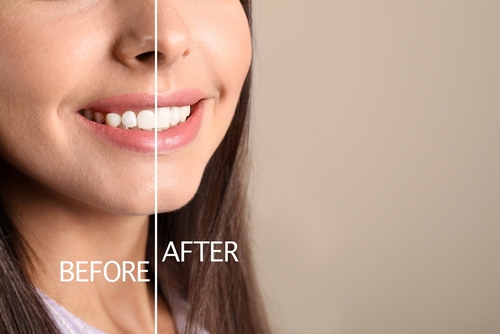
This is where we step in. Professional teeth whitening is one of the most effective and safe ways to turn back the clock on your smile. Unlike abrasive whitening toothpastes that can scratch enamel, professional treatments use high-grade bleaching agents that penetrate the enamel to break up the molecular bonds of the stain without damaging the tooth structure.
We can customize the treatment to your specific sensitivity levels and aesthetic goals. Whether you are looking for a subtle lift or a dramatic transformation, professional care ensures the results are even and long-lasting.
Your Smile is an Investment
We believe that knowledge is the key to maintaining a beautiful smile. By being aware of the top foods that stain teeth—coffee, tea, red wine, berries, tomato sauce, soda, and balsamic vinegar—you can make informed choices. You don’t have to banish these items from your pantry, but by consuming them in moderation and practicing good oral hygiene habits, you can protect your enamel.
Remember, a bright smile is about more than just vanity; it is a sign of health and vitality. If you feel like your smile has dimmed over the years, or if you just want to ask questions about your diet and oral health, we are here to help. At Dental Care of Beverly Hills, we are dedicated to helping you achieve the confident, radiant smile you deserve.